
Track: Advanced Dermatology Treatments
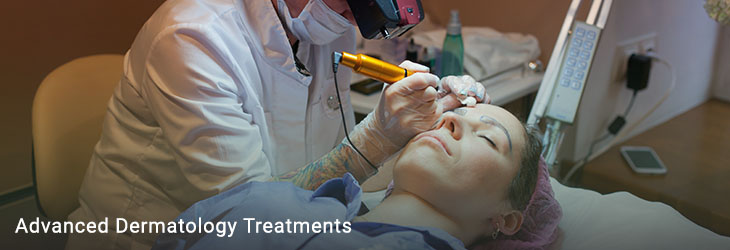
Advanced dermatology treatments represent the forefront of innovation in skin care, reshaping how clinicians diagnose, manage, and monitor complex conditions. With the emergence of biologics, small molecules, gene-based treatments, and regenerative medicine, dermatology has entered a new era of precision care. These treatments target disease mechanisms at the molecular level while improving safety, effectiveness, and personalization. In parallel, digital health tools such as teledermatology, artificial intelligence, and wearable monitoring technologies are enhancing patient engagement and clinical decision-making. This session explores the full scope of these advances, highlighting both current clinical applications and future directions in dermatologic treatment.
Overview:
This session provides a comprehensive overview of advanced treatment strategies in dermatology, beginning with biologics and small molecules that have transformed the management of psoriasis, atopic dermatitis, and other inflammatory skin diseases. Faculty will discuss JAK inhibitors and novel agents, focusing on mechanisms of action, clinical use, and safety monitoring.
The program will also examine gene-based treatments and regenerative medicine, including stem cell applications and tissue engineering, which are opening new possibilities for rare and previously difficult-to-treat skin disorders. Beyond pharmacologic care, the session will cover digital health innovations such as AI-driven diagnostics, teledermatology platforms, and patient monitoring tools that are redefining chronic disease management. Participants will gain insight into integrating these advanced treatments into practice, addressing cost and accessibility, and evaluating long-term safety outcomes.
Key Topics:
- Biologics and small molecules – Advances in cytokine-targeted treatment for inflammatory dermatoses
- JAK inhibitors and novel agents – Mechanisms, clinical applications, and safety considerations
- Gene-based and regenerative treatments – Stem cells, tissue engineering, and future directions
- Digital health and AI – Roles in diagnosis, monitoring, and patient engagement
- Long-term outcomes and safety – Evidence from clinical trials and real-world practice
Learning Objectives:
- Evaluate the role of biologics and small molecules in modern dermatology treatment
- Understand mechanisms and clinical use of JAK inhibitors and emerging agents
- Explore gene-based and regenerative treatment options for rare skin diseases
- Integrate digital health tools into dermatologic care
- Assess long-term outcomes, safety, and accessibility of advanced treatments
Scientific Highlights
- Inflammatory Dermatoses
- Pigmentary and Immune Mediated Skin Disorders
- Pediatric and Neonatal Dermatology
- Obstetric and Women’s Dermatology
- Geriatric Dermatology
- Dermatologic Oncology
- Rare and Critical Skin Diseases
- Clinical Trichology
- Photodermatology: UV Damage, Photoaging and Phototherapy
- Wound Healing and Chronic Ulcers
- Diagnostic Dermatopathology
- Aesthetic and Cosmetic Dermatology
- Advanced Dermatology Treatments
- Dermatologic Surgery and Reconstruction
- Digital Dermatology: AI, Teledermatology and Emerging Technologies
- Practical Dermatology: Case Studies and Outcomes

Organization Location
1309 Coffeen Avenue, STE 1200, Sheridan, Wyoming 82801, USA
Mail us at
Registration Enquiry
finance@scientexconferences.com
Call us at
USA : 2055981958
Quick Links
Past Conferences
No past conferences available.
Past Webinar
No past webinars available.