
Track: Practical Dermatology: Case Studies and Outcomes
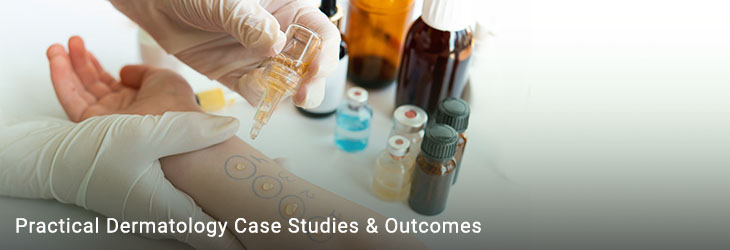
Practical dermatology bridges the gap between theory and real‑world patient care, offering clinicians the opportunity to learn directly from case studies, clinical outcomes, and shared experiences. Dermatology is a specialty where subtle variations in presentation can dramatically alter diagnosis and treatment. By examining real cases, practitioners gain insights into diagnostic pitfalls, therapeutic successes, and the nuances of patient management. This session emphasizes applied learning, showcasing how evidence‑based medicine translates into daily practice and how outcomes can be optimized through multidisciplinary collaboration and patient‑centered care.
Overview:
The session will provide a comprehensive exploration of dermatology through case‑based learning. Faculty will present diverse cases spanning inflammatory dermatoses, pigmentary disorders, infections, autoimmune conditions, and cutaneous malignancies. Each case will highlight diagnostic reasoning, therapeutic decision‑making, and outcome evaluation. Special emphasis will be placed on rare presentations, misdiagnoses, and lessons learned from clinical practice. The program will also address the role of outcome measurement tools, patient‑reported experiences, and the integration of evidence‑based guidelines into individualized care. By focusing on practical scenarios, participants will gain a deeper appreciation of dermatology as both a science and an art.
Key Topics:
- Case‑based learning – Real patient scenarios illustrating diagnostic and therapeutic challenges.
- Outcome measurement – Tools for evaluating clinical success and patient satisfaction.
- Rare and atypical presentations – Lessons from uncommon cases and diagnostic pitfalls.
- Evidence‑based practice – Applying guidelines to individualized patient care.
- Multidisciplinary collaboration – Integrating dermatology with other specialties for complex cases.
Learning Objectives:
- Analyze dermatologic cases to enhance diagnostic reasoning and therapeutic decision‑making.
- Recognize rare and atypical presentations that challenge standard practice.
- Apply outcome measurement tools to evaluate clinical success and patient satisfaction.
- Integrate evidence‑based guidelines into individualized patient care.
- Strengthen multidisciplinary collaboration to improve outcomes in complex dermatologic cases.
Scientific Highlights
- Inflammatory Dermatoses
- Pigmentary and Immune Mediated Skin Disorders
- Pediatric and Neonatal Dermatology
- Obstetric and Women’s Dermatology
- Geriatric Dermatology
- Dermatologic Oncology
- Rare and Critical Skin Diseases
- Clinical Trichology
- Photodermatology: UV Damage, Photoaging and Phototherapy
- Wound Healing and Chronic Ulcers
- Diagnostic Dermatopathology
- Aesthetic and Cosmetic Dermatology
- Advanced Dermatology Treatments
- Dermatologic Surgery and Reconstruction
- Digital Dermatology: AI, Teledermatology and Emerging Technologies
- Practical Dermatology: Case Studies and Outcomes

Organization Location
1309 Coffeen Avenue, STE 1200, Sheridan, Wyoming 82801, USA
Mail us at
Registration Enquiry
finance@scientexconferences.com
Call us at
USA : 2055981958
Quick Links
Past Conferences
No past conferences available.
Past Webinar
No past webinars available.