
Track: Digital Dermatology: AI, Teledermatology and Emerging Technologies
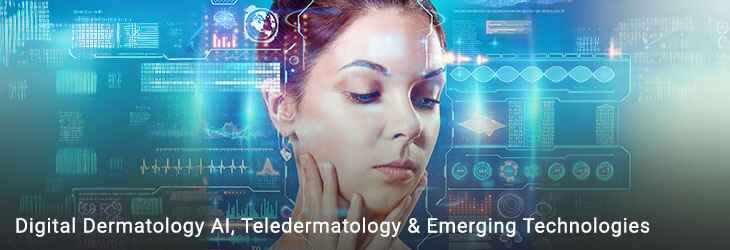
Digital dermatology is transforming patient care through artificial intelligence, telemedicine, and innovative technologies. These tools expand access, improve diagnostic accuracy, and support personalized treatment strategies. As dermatology embraces digital health, clinicians must navigate opportunities in AI‑driven diagnostics, teleconsultations, and wearable monitoring, while addressing challenges in ethics, privacy, and regulation.
Overview:
This session highlights the digital revolution in dermatology, structured around clinical applications, research innovation, and global outreach. Faculty will present advances in AI algorithms, teledermatology platforms, and mobile health technologies. The discussion will emphasize practical integration into clinical workflows, patient education, and future directions in precision dermatology.
Key Topics
- AI‑Driven Diagnostics: Machine learning models for melanoma detection, psoriasis severity scoring, and rare dermatoses recognition.
- Teledermatology Platforms: Synchronous vs asynchronous consultations; expanding access in underserved regions.
- Wearables & Mobile Apps: Continuous monitoring of UV exposure, hydration, and lesion changes.
- Virtual & Augmented Reality: Applications in dermatology education, surgical simulation, and patient counseling.
- Big Data & Precision Dermatology: Integration of genomic, imaging, and clinical datasets for personalized care.
- Ethics & Data Governance: Privacy, bias, and regulatory compliance in digital dermatology.
- Future Directions: Blockchain for medical records, federated learning for global dermatology AI, and smart imaging systems.
Learning Objectives:
- Recognize the role of AI and telemedicine in modern dermatology practice.
- Evaluate the strengths and limitations of digital diagnostic tools.
- Apply mobile health and wearable technologies to patient monitoring.
- Integrate VR/AR into dermatology education and patient engagement.
- Address ethical, privacy, and regulatory challenges in digital dermatology.
- Explore future innovations that will shape precision dermatology.
Scientific Highlights
- Inflammatory Dermatoses
- Pigmentary and Immune Mediated Skin Disorders
- Pediatric and Neonatal Dermatology
- Obstetric and Women’s Dermatology
- Geriatric Dermatology
- Dermatologic Oncology
- Rare and Critical Skin Diseases
- Clinical Trichology
- Photodermatology: UV Damage, Photoaging and Phototherapy
- Wound Healing and Chronic Ulcers
- Diagnostic Dermatopathology
- Aesthetic and Cosmetic Dermatology
- Advanced Dermatology Treatments
- Dermatologic Surgery and Reconstruction
- Digital Dermatology: AI, Teledermatology and Emerging Technologies
- Practical Dermatology: Case Studies and Outcomes

Organization Location
1309 Coffeen Avenue, STE 1200, Sheridan, Wyoming 82801, USA
Mail us at
Registration Enquiry
finance@scientexconferences.com
Call us at
USA : 2055981958
Quick Links
Past Conferences
No past conferences available.
Past Webinar
No past webinars available.