
Track: Rare and Critical Skin Diseases
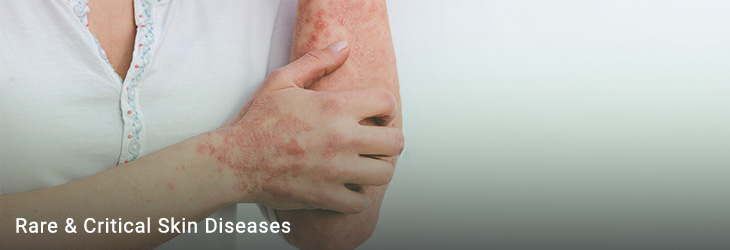
Rare and critical skin diseases represent some of the most challenging areas in dermatology, often requiring rapid recognition, multidisciplinary management, and specialized expertise. These conditions, though uncommon, can be life‑threatening or severely debilitating, with profound implications for patient survival and quality of life. Their rarity often leads to delayed diagnosis, mismanagement, and limited therapeutic options, making awareness and education essential. This session will spotlight the spectrum of rare dermatoses, from genetic syndromes and metabolic disorders to acute dermatologic emergencies, emphasizing both clinical vigilance and innovation in care.
Overview:
The session will provide a comprehensive exploration of rare and critical skin diseases, beginning with inherited disorders such as epidermolysis bullosa and ichthyoses, which demand lifelong management and multidisciplinary support. Faculty will discuss metabolic and systemic conditions with cutaneous manifestations, including porphyrias and amyloidosis, highlighting their diagnostic complexity. Acute dermatologic emergencies such as Stevens‑Johnson syndrome, toxic epidermal necrolysis, and necrotizing fasciitis will be addressed in detail, emphasizing rapid intervention, supportive care, and long‑term rehabilitation. The program will also cover advances in genetic testing, novel therapeutics, and patient advocacy, underscoring the importance of global collaboration in rare disease research and care.
Key Topics:
- Inherited skin disorders – Clinical management of epidermolysis bullosa, ichthyoses, and other genetic syndromes.
- Metabolic and systemic conditions – Cutaneous manifestations of porphyrias, amyloidosis, and related disorders.
- Dermatologic emergencies – Recognition and management of Stevens‑Johnson syndrome, toxic epidermal necrolysis, and necrotizing fasciitis.
- Advances in diagnostics – Role of genetic testing, biomarkers, and imaging in rare disease identification.
- Therapeutic innovations and advocacy – Emerging treatments, patient support networks, and global collaboration.
Learning Objectives:
- Recognize the clinical spectrum of rare and critical skin diseases.
- Understand the systemic and genetic mechanisms underlying these conditions.
- Apply evidence‑based strategies for managing dermatologic emergencies.
- Utilize advanced diagnostics including genetic testing and biomarkers.
- Integrate patient advocacy and multidisciplinary collaboration into rare disease care.
Scientific Highlights
- Inflammatory Dermatoses
- Pigmentary and Immune Mediated Skin Disorders
- Pediatric and Neonatal Dermatology
- Obstetric and Women’s Dermatology
- Geriatric Dermatology
- Dermatologic Oncology
- Rare and Critical Skin Diseases
- Clinical Trichology
- Photodermatology: UV Damage, Photoaging and Phototherapy
- Wound Healing and Chronic Ulcers
- Diagnostic Dermatopathology
- Aesthetic and Cosmetic Dermatology
- Advanced Dermatology Treatments
- Dermatologic Surgery and Reconstruction
- Digital Dermatology: AI, Teledermatology and Emerging Technologies
- Practical Dermatology: Case Studies and Outcomes

Organization Location
1309 Coffeen Avenue, STE 1200, Sheridan, Wyoming 82801, USA
Mail us at
Registration Enquiry
finance@scientexconferences.com
Call us at
USA : 2055981958
Quick Links
Past Conferences
No past conferences available.
Past Webinar
No past webinars available.