
Track: Clinical Trichology
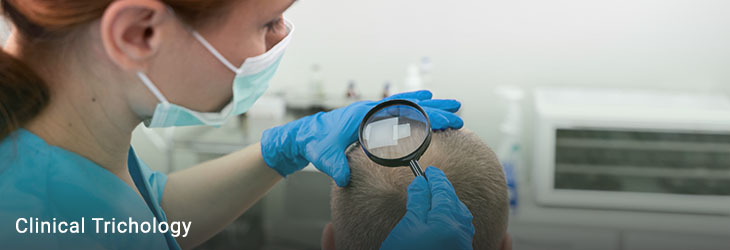
Clinical trichology focuses on the diagnosis and management of hair and scalp disorders, which affect millions worldwide and often carry profound psychosocial consequences. These conditions range from common forms of alopecia to complex inflammatory and infectious diseases of the scalp. Advances in diagnostic tools such as trichoscopy, alongside new therapeutic approaches including biologics, regenerative medicine, and hair restoration techniques, are reshaping the field. This session will provide a comprehensive exploration of hair and scalp health, bridging clinical practice with cutting‑edge research.
Overview:
The session will highlight the clinical spectrum of trichologic disorders, including alopecia areata, androgenetic alopecia, scarring alopecias, and hair shaft abnormalities. Faculty will discuss infectious and inflammatory scalp conditions, as well as cosmetic and restorative interventions. Special emphasis will be placed on diagnostic innovations, patient counseling, and the integration of psychosocial care. Participants will gain insights into both established management strategies and emerging therapies that are redefining trichology.
Key Topics:
- Alopecia areata and androgenetic alopecia – Advances in diagnosis, systemic associations, and therapeutic options.
- Scalp infections and inflammatory conditions – Recognition and treatment of bacterial, fungal, and autoimmune causes.
- Hair shaft abnormalities – Clinical relevance of congenital and acquired structural defects.
- Hair restoration therapies – Innovations in transplantation, regenerative medicine, and cosmetic approaches.
- Trichoscopy and diagnostic tools – Role of dermoscopy and imaging in precise evaluation of hair disorders.
Learning Objectives:
- Recognize the clinical spectrum of hair and scalp disorders.
- Apply evidence‑based therapies for alopecia and inflammatory scalp conditions.
- Utilize trichoscopy and modern diagnostic tools for accurate evaluation.
- Integrate restorative and cosmetic interventions into patient care.
- Address psychosocial aspects of hair loss to improve overall outcomes.
Scientific Highlights
- Inflammatory Dermatoses
- Pigmentary and Immune Mediated Skin Disorders
- Pediatric and Neonatal Dermatology
- Obstetric and Women’s Dermatology
- Geriatric Dermatology
- Dermatologic Oncology
- Rare and Critical Skin Diseases
- Clinical Trichology
- Photodermatology: UV Damage, Photoaging and Phototherapy
- Wound Healing and Chronic Ulcers
- Diagnostic Dermatopathology
- Aesthetic and Cosmetic Dermatology
- Advanced Dermatology Treatments
- Dermatologic Surgery and Reconstruction
- Digital Dermatology: AI, Teledermatology and Emerging Technologies
- Practical Dermatology: Case Studies and Outcomes

Organization Location
1309 Coffeen Avenue, STE 1200, Sheridan, Wyoming 82801, USA
Mail us at
Registration Enquiry
finance@scientexconferences.com
Call us at
USA : 2055981958
Quick Links
Past Conferences
No past conferences available.
Past Webinar
No past webinars available.