
Track: Dermatologic Oncology
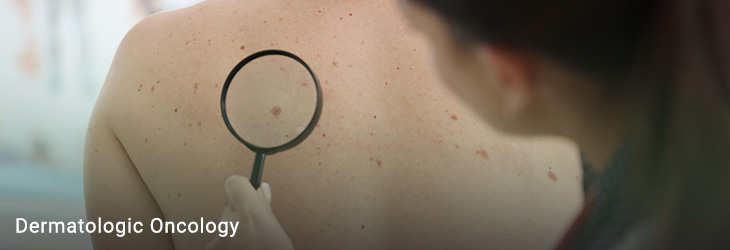
Dermatologic oncology has become one of the most critical areas of modern dermatology, as the incidence of skin cancers continues to rise globally. From melanoma to non‑melanoma malignancies, these conditions demand early recognition, precise diagnostics, and innovative therapies. Advances in immunotherapy, targeted therapy, and dermato‑oncology imaging have transformed patient outcomes, while prevention and screening remain essential pillars of care. This session will bring together leading experts to discuss the evolving standards of practice and the future of skin cancer management.
Overview:
The session will provide a comprehensive exploration of cutaneous malignancies, focusing on melanoma, basal cell carcinoma, squamous cell carcinoma, and rare skin cancers. Faculty will highlight the role of dermoscopy, confocal microscopy, and artificial intelligence in early detection, alongside surgical and non‑surgical treatment strategies. Special emphasis will be placed on immunotherapy and targeted therapy, which are reshaping survival rates and quality of life. Preventive strategies, including patient education and public health initiatives, will also be discussed to address the growing burden of skin cancer worldwide.
Key Topics:
- Melanoma – Advances in diagnosis, staging, and immunotherapy for improved survival outcomes.
- Non‑melanoma skin cancers – Evidence‑based management of basal cell and squamous cell carcinoma.
- Immunotherapy and targeted therapy – Breakthroughs in precision oncology and their clinical applications.
- Dermato‑oncology imaging – Role of dermoscopy, confocal microscopy, and AI‑driven diagnostic tools.
- Preventive strategies – Screening programs, patient education, and global public health approaches.
Learning Objectives:
- Identify early signs and diagnostic markers of cutaneous malignancies.
- Apply evidence‑based therapies for melanoma and non‑melanoma skin cancers.
- Integrate imaging and diagnostic innovations into clinical practice.
- Understand the role of immunotherapy and targeted therapy in modern oncology.
- Promote prevention and screening to reduce the global burden of skin cancer.
Scientific Highlights
- Inflammatory Dermatoses
- Pigmentary and Immune Mediated Skin Disorders
- Pediatric and Neonatal Dermatology
- Obstetric and Women’s Dermatology
- Geriatric Dermatology
- Dermatologic Oncology
- Rare and Critical Skin Diseases
- Clinical Trichology
- Photodermatology: UV Damage, Photoaging and Phototherapy
- Wound Healing and Chronic Ulcers
- Diagnostic Dermatopathology
- Aesthetic and Cosmetic Dermatology
- Advanced Dermatology Treatments
- Dermatologic Surgery and Reconstruction
- Digital Dermatology: AI, Teledermatology and Emerging Technologies
- Practical Dermatology: Case Studies and Outcomes

Organization Location
1309 Coffeen Avenue, STE 1200, Sheridan, Wyoming 82801, USA
Mail us at
Registration Enquiry
finance@scientexconferences.com
Call us at
USA : 2055981958
Quick Links
Past Conferences
No past conferences available.
Past Webinar
No past webinars available.